

Acne Treatment: The Ultimate Proven Guide to Clear Skin in 2025
What Is Acne and Why Acne Treatment Is Important
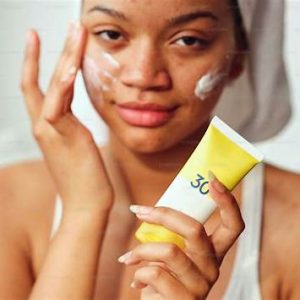
Acne is a skin condition that occurs when hair follicles become clogged with oil, dead skin cells, and bacteria. It affects teenagers and adults alike and can appear on the face, chest, back, and shoulders. Proper Acne Treatment is important not only for clear skin but also for preventing scars, dark spots, and emotional stress.
Ignoring acne or using the wrong products can make breakouts worse. A well-planned treatment approach helps control oil, reduce inflammation, and support long-term skin health.
Common Causes of Acne
Understanding the cause is the first step toward effective Acne Treatments.
Hormonal Imbalance
Hormones increase oil production, especially during puberty, menstruation, pregnancy, and stress. This excess oil clogs pores and leads to breakouts.
Excess Oil Production
Overactive sebaceous glands produce too much sebum, creating the perfect environment for acne-causing bacteria.
Diet and Lifestyle Factors
High sugar intake, dairy products, lack of sleep, stress, and poor hygiene can all trigger acne flare-ups.
Types of Acne You Should Know
Different acne types require different treatment approaches.
Mild Acne
Includes blackheads and whiteheads. These often respond well to gentle skincare and topical products.
Moderate Acne
Characterized by inflamed pimples and pustules. Combination treatments are usually needed.
Severe Acne
Includes cysts and nodules. This type often requires professional medical Acne Treatment to prevent scarring.
Acne Treatments Options Explained
There is no one-size-fits-all solution. The best Acne Treatment depends on skin type and acne severity.
Natural Acne Treatment Methods
Natural remedies focus on soothing inflammation and balancing oil production. Popular options include:
-
Aloe vera
-
Tea tree oil (diluted)
-
Honey masks
-
Green tea extracts
These methods are gentle and suitable for sensitive skin.
Over-the-Counter Acne Treatments
Non-prescription products often contain ingredients like:
-
Salicylic acid
-
Benzoyl peroxide
-
Niacinamide
They help unclog pores and reduce bacteria.
Prescription Acne Treatment
For severe cases, dermatologists may prescribe topical retinoids, oral antibiotics, or hormonal therapy. Always follow medical advice when using prescription products.
Daily Skincare Routine for Acne Treatment
Consistency is key when it comes to Acne Treatments.
Cleansing
Wash your face twice daily with a gentle cleanser. Avoid harsh scrubs that irritate the skin.
Moisturizing
Even acne-prone skin needs hydration. Use lightweight, non-comedogenic moisturizers.
Sun Protection
Sunscreen prevents dark spots and acne scars from worsening. Choose oil-free formulas designed for acne-prone skin.
Diet and Lifestyle Tips for Better Acne Treatment Results

-
Drink plenty of water
-
Eat fruits, vegetables, and whole foods
-
Reduce sugar and processed foods
-
Manage stress through exercise or meditation
-
Sleep at least 7–8 hours nightly
According to dermatology research shared on Healthline, lifestyle changes can significantly improve acne outcomes.
Common Acne Treatments Mistakes to Avoid
-
Overwashing your face
-
Using too many products at once
-
Popping pimples
-
Expecting instant results
-
Skipping sunscreen
Avoiding these mistakes improves treatment success and protects your skin.
FAQs About Acne Treatments
1. How long does Acne Treatment take to work?
Most treatments show results within 4–8 weeks.
2. Can Acne Treatment prevent scars?
Yes, early and proper treatment reduces scarring risk.
3. Is Acne Treatment safe for sensitive skin?
Yes, if you choose gentle products and patch test first.
4. Does diet affect Acne results?
Absolutely. Diet plays a major role in skin health.
5. Can adults benefit from Acne Treatments?
Yes, acne affects all ages, and treatment works for adults too.
6. Should I see a dermatologist for Acne ?
If acne is severe or persistent, professional care is recommended.
Conclusion
Effective Acne Treatments requires patience, consistency, and the right approach for your skin type. By understanding acne causes, choosing suitable treatments, and maintaining healthy habits, clear skin is achievable. Whether you prefer natural remedies or medical solutions, the key is staying consistent and informed.
